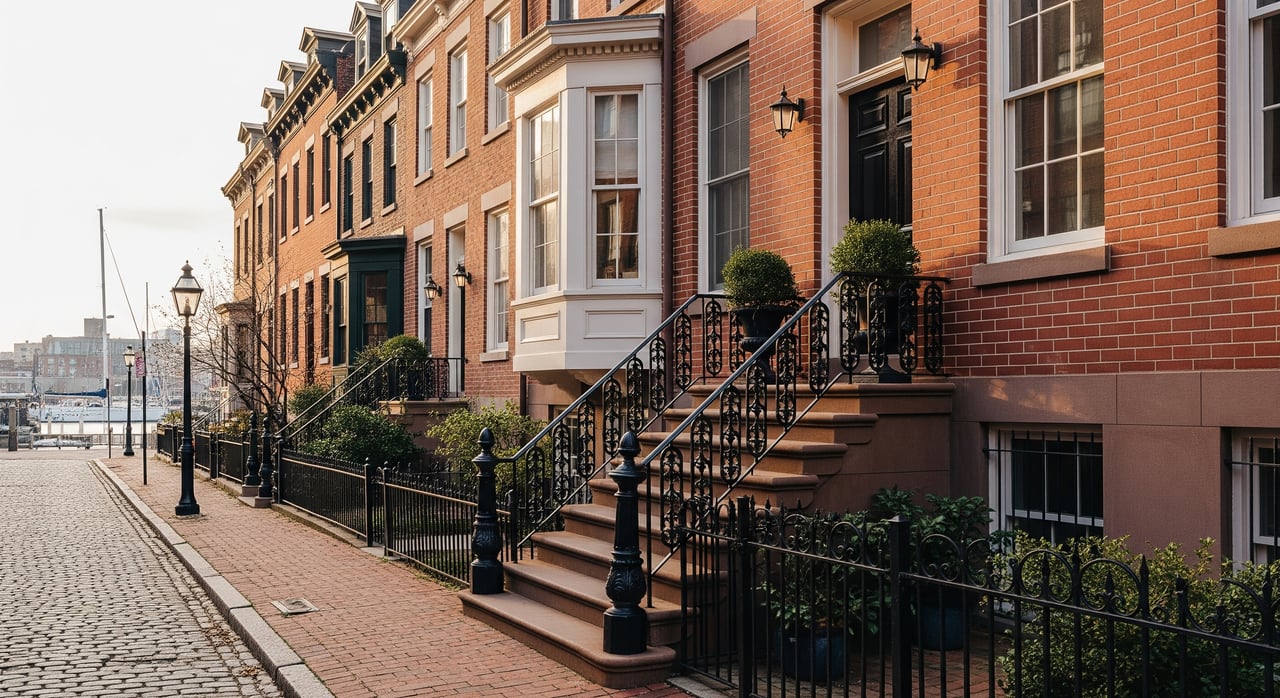
Buying your first place in Upper Fells Point can feel exciting and overwhelming at the same time. You might be wondering how to cover the down payment, what programs you qualify for, and how to compete in a fast, rowhome‑heavy market. The good news is that Maryland and Baltimore City offer real tools that can lower your upfront costs and monthly payments.
In this guide, you’ll learn the key first‑time buyer programs available in Baltimore, how eligibility works, how to pair assistance with a competitive offer in Upper Fells Point, and a step‑by‑step checklist to get offer‑ready. Let’s dive in.
First‑time buyer programs in Baltimore
Maryland Mortgage Program (MMP)
MMP is Maryland’s statewide first‑time buyer platform. It offers conventional, FHA, and VA loan options, along with down payment assistance and the Mortgage Credit Certificate in many areas. You typically work with an approved lender, and homebuyer education is often required to access DPA or MCC benefits.
- What it can do: reduce upfront cash for down payment or closing costs, and lower after‑tax mortgage cost with MCC.
- What to know: program rules, credit minimums, and purchase price caps vary. Always confirm current details with an MMP‑approved lender.
Baltimore City homeownership assistance
Baltimore City Department of Housing & Community Development administers local incentives. These often include forgivable or deferred second mortgages for down payment and closing costs, targeted neighborhood support, and referrals to counseling.
- What it can do: provide additional funds you can layer on top of state options if the rules allow.
- What to know: most city programs have income limits tied to Area Median Income, a primary‑residence requirement, and a forgiveness period that encourages long‑term occupancy.
Federal loan options
First‑time buyers often use these loans with DPA:
- FHA loans: 3.5 percent down with qualifying credit and flexible guidelines. FHA generally allows seller contributions toward closing costs up to program limits.
- VA loans: zero down for eligible veterans. Different concession limits and a funding fee structure may apply.
- Conventional loans: paired with private mortgage insurance and sometimes with state DPA or MCC.
Mortgage Credit Certificate (MCC)
An MCC is a federal tax credit administered locally. It reduces your federal income tax liability by allowing you to claim a portion of your mortgage interest as a credit each year. Availability, credit rate, and eligibility can vary, and participating lenders and education are often required.
Nonprofit and employer assistance
Local counseling agencies and community groups sometimes offer small grants, matched savings, or targeted assistance. Some employers may sponsor “Live Near Your Work” style incentives in select cases. These programs change often and can have specific neighborhood or income criteria.
Eligibility and how applications work
Who qualifies
- First‑time buyer definition: Many programs define this as not owning a home in the last three years. Exceptions sometimes apply for targeted areas, households with disabilities, or veterans.
- Income and price limits: Programs usually set maximum household income and purchase price by area and family size.
- Primary residence: You must occupy the home as your main residence, often within about 60 days of closing.
- Property type: Single‑family homes, townhouses, and condos may qualify. Some programs restrict certain property types or require extra approvals for historic or condo properties.
- Credit and DTI: Minimum credit scores and debt‑to‑income thresholds depend on the loan type and lender.
How applications work
- Approved lenders: Many programs require you to use a participating lender who knows the paperwork and timing.
- Homebuyer education: Required for most DPA and MCC benefits. Complete it early to avoid delays.
- Combining programs: You can often layer state DPA with city assistance if rules allow and your lender approves. Coordination among your lender, city programs, and title is key.
- Forgiveness and recapture: City DPA is often forgivable after you live in the home for a set period, or it may be a deferred lien that is repaid when you sell.
- Timing: Many applications start after you have a signed contract. Begin gathering documents and confirming eligibility well before you write offers.
Documents you will need
- Photo ID and Social Security Number.
- Recent pay stubs, two years of W‑2s and tax returns if self‑employed.
- Two months of bank statements and a list of all assets and debts.
- Proof of homebuyer education completion.
- Purchase contract and contact info for your employer and lender.
- Specific items if applicable: DD214 for VA, documentation of non‑taxable income, and any divorce order related to support payments.
Make a competitive offer in Upper Fells Point
Market realities to plan around
Upper Fells Point is walkable and near the waterfront. Demand can be strong, so sellers value certainty and speed. Some assistance programs add processing steps, which means you should start lender pre‑approval and DPA discussions before you shop.
- Aim for a lender who is comfortable closing within the timeline you plan to offer.
- Remember that DPA may not cover earnest money or appraisal gaps. Keep some liquid funds available.
Ways to strengthen your offer
- Strong pre‑approval: Get a full pre‑approval from an approved lender. If possible, include documentation that your DPA or MCC is reserved or conditionally approved.
- Cleaner timelines: Offer clear inspection and financing deadlines. Coordinate inspector availability before you submit.
- Use seller concessions wisely: FHA, VA, and conventional loans set limits for seller credits. Ask only for what fits within program rules.
- Appraisal planning: If allowed, consider appraisal‑gap language that commits a set amount above the appraised value. Confirm with your lender that it fits the loan and assistance rules.
- Flexible closing: Offer a close date that matches the seller’s needs, as long as it works with your program timing.
- Escalation clause: Consider an escalation clause up to a cap. Make sure your financing contingency is clear.
Local property factors to consider
- Older rowhomes: Expect older systems. Use the inspection to understand structural, mechanical, and moisture issues. Keep your repair requests focused and specific.
- Flood risk: Waterfront‑adjacent areas can fall within FEMA flood zones. Ask for a flood insurance estimate and check current maps before you write the offer so you understand total monthly costs.
- Condo and HOA checks: Verify condo eligibility with your lender. Review HOA financials and any leasing restrictions, since some assistance programs limit condo scenarios.
Pre‑approval and readiness checklist
Before you house hunt
- Confirm first‑time buyer status and review income and price limits for both MMP and Baltimore City programs.
- Choose an approved lender experienced with DPA, MCC, and city incentives.
- Enroll in an approved homebuyer education course and complete it early.
- Ask your lender about layering city assistance with MMP products and how timing will affect your offer.
Documents to gather
- 30 days of pay stubs and two years of W‑2s or tax returns.
- Two months of bank statements and a list of all debts.
- Proof of homebuyer education and any gift letters you expect to use.
- For VA eligibility, your DD214 and related documents.
Financial readiness
- Credit: Pull your scores and address any errors. Minimums vary by loan type and lender.
- Liquid funds: Plan for earnest money, any costs not covered by DPA, and potential appraisal gaps.
- Debt‑to‑income: Paying down high‑interest revolving debt can help your ratios and strengthen your approval.
After you go under contract
- Submit your DPA and grant applications immediately, following your lender’s checklist.
- Schedule appraisal and inspections quickly. Some city programs may require compliance checks.
- Stay in tight communication with your lender and the program administrator about documents and closing timelines.
Neighborhood risks, resources, and what to verify
Property and neighborhood considerations in 21231
- Historic and older housing: Exterior work and some repairs may require permits or review. Plan ahead if you expect to renovate after closing.
- Lead hazard rules: Homes built before 1978 have specific federal and local lead disclosure requirements. Ask your inspector and lender what documentation may be needed.
- Parking and zoning: On‑street parking and historic reviews can shape your day‑to‑day and any design changes you want to make.
Helpful resources to consult
- Maryland Mortgage Program for loan products, DPA, MCC, and approved lenders.
- Baltimore City Department of Housing & Community Development for local grants, down payment help, permits, and lead remediation programs.
- HUD and VA guidance for loan rules and seller concession limits.
- FEMA maps for flood zones and potential insurance needs.
- HUD‑certified counseling agencies and local nonprofits for education and grant referrals.
What to verify before you submit an offer
- Current DPA dollar amounts, MCC availability, and income and purchase price limits.
- Whether Upper Fells Point is included in any targeted neighborhood incentives.
- Seller credit limits and appraisal‑gap options based on your chosen loan type.
- Any condo project approvals required by your lender and program.
Ready to start your first purchase in Upper Fells Point?
If you want a clear plan to use assistance and still write a strong offer, we can help you align the right lender, education, and timing for a smooth path to the closing table. Connect with a neighborhood‑rooted team that knows the rowhome details, historic nuances, and competitive offer strategies that matter in 21231. Schedule a pressure‑free consult with Towles & Associates of Compass. Hablamos español.
FAQs
What first‑time buyer programs can I use in Upper Fells Point?
- Common tools include the Maryland Mortgage Program, Baltimore City down payment assistance, FHA or VA loans, conventional loans with PMI, and the Mortgage Credit Certificate where available.
Can I combine Maryland MMP assistance with Baltimore City grants?
- Often yes, if program rules and your lender allow layering, but you should confirm timing, income limits, and any lien or forgiveness requirements before you write an offer.
Do I need a homebuyer education course to qualify for assistance?
- Most down payment assistance and MCC options require an approved education course, so completing it early helps you move faster when you find a home.
How much cash do I still need if I get DPA?
- You typically need funds for earnest money, any costs not covered by assistance, and a plan for potential appraisal gaps or reserves required by the lender.
Will flood insurance affect my budget in Upper Fells Point?
- It can, depending on the property’s FEMA flood zone; get an estimate early so your monthly payment projections are accurate.
What is a Mortgage Credit Certificate and how does it help?
- An MCC provides a federal tax credit on a portion of your mortgage interest each year, which can reduce your overall tax liability and improve affordability.
Are historic or condo properties eligible for assistance?
- Many are, but some programs require extra approvals for condos or have rules that affect historic properties, so verify eligibility with your lender before you make an offer.
How long does it take to get city or state assistance approved?
- Timelines vary by program and season; start lender pre‑approval and gather documents early so you can submit quickly once you are under contract.
