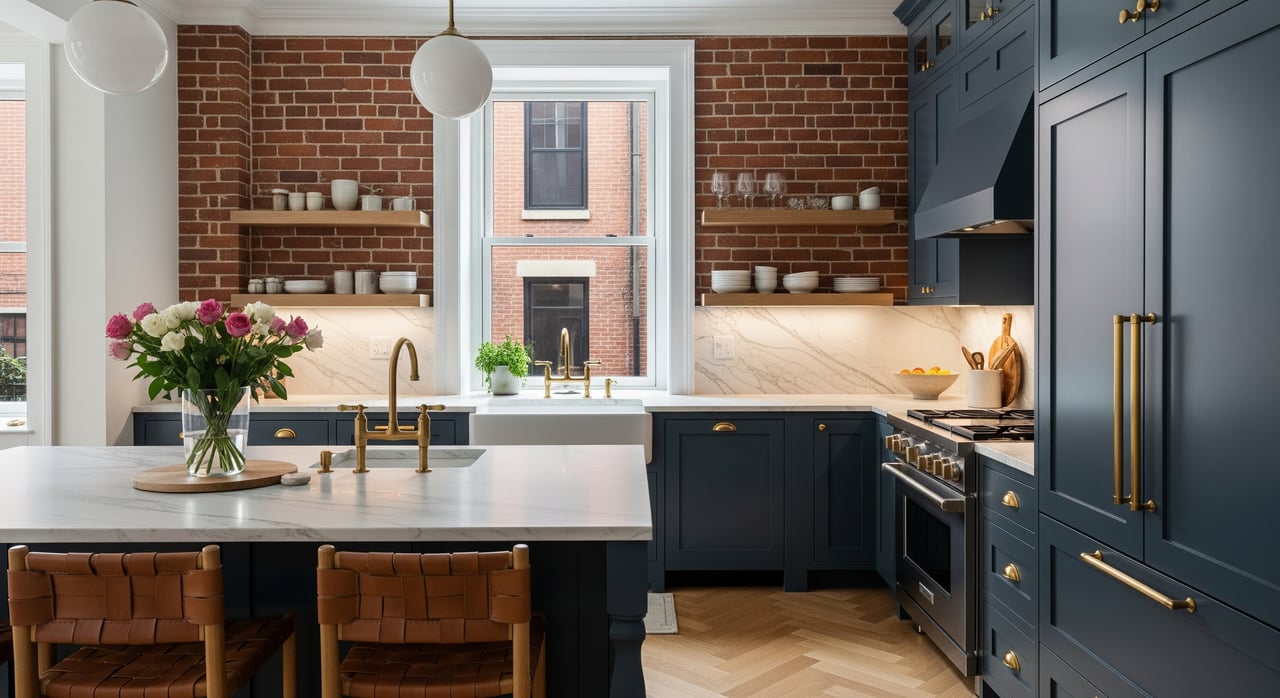
Is your Federal Hill kitchen feeling tight, dark, or dated? You are not alone. Many South Baltimore rowhouses were built with narrow footprints and older layouts that can make kitchens feel cramped. The good news is that smart, targeted upgrades can make a big impact on both daily living and resale appeal. In this guide, you will learn which projects deliver the most value in Federal Hill, how to plan winter work, and what to know about permits and historic considerations. Let’s dive in.
Why kitchens matter in Federal Hill
Federal Hill homes often have narrow and deep floorplans, with kitchens tucked toward the rear or in a lower-level addition. That layout affects how you cook, entertain, and store essentials. Buyers in urban neighborhoods focus on efficient use of space, smart storage, natural light, modern appliances, and a good entertaining flow.
If you plan upgrades with these goals in mind, you can elevate how your rowhouse shows. Durable, low-maintenance finishes and energy-efficient systems also appeal to city buyers who prioritize easy living in a walkable neighborhood.
Layout and flow upgrades that pay off
Open sightlines without major demolition
In narrow kitchens, removing or reducing non-load-bearing partitions can create a more open feel. Even a small opening that connects the kitchen to living or dining spaces can improve the entertaining flow. Before you start, confirm what is load bearing and where HVAC runs and plumbing stacks sit, since those can limit changes.
Fit a peninsula or slender island
A well-placed peninsula or a narrow island adds prep space and seating without choking the walkway. Respect clearances typical in narrow rowhouses so you can move comfortably. A compact island with storage drawers can double as a prep station and a casual dining spot.
Create a usable work triangle
Keep the sink, cooktop, and refrigerator in a logical relationship so you can prep, cook, and clean without crowding. In tight spaces, a continuous prep run might work better than a strict triangle. Right-sizing appliances often frees up the counter space you need for a practical layout.
Big moves with bigger rewards
Relocating a basement kitchen to the main level or modestly extending the rear can transform how you live and entertain. These changes can be high-impact for value, but they require more time, cost, and permitting. If you plan structural openings or a bump-out, involve an engineer and understand permit requirements early.
Light and perceived space
Quick brightness wins
Brighter kitchens feel larger. You can replace a solid rear door with a glass-panel door or add a transom to bring in daylight, as long as exterior changes comply with local rules. Lighter cabinet and wall colors, a reflective backsplash, and under-cabinet LEDs can make a dramatic difference with modest effort.
Bigger changes for more daylight
New or enlarged rear windows and thoughtfully placed skylights can flood the kitchen with light. Roof penetrations and exterior alterations may require historic review in some cases, so confirm requirements before you cut. If you plan a rear renovation, rethinking window placement can boost light and connection to outdoor space.
Storage and organization
Maximize vertical cabinetry
Tall cabinets that reach the ceiling add significant storage without using more floor area. Use crown molding to finish the look and conceal less-frequent items. Deep drawers and roll-out shelves increase usability for pots and pans.
Add a true or shallow pantry
A built-in pantry or a converted closet can be a standout feature in a rowhouse. Even a shallow pantry with adjustable shelves reads as high value to buyers. Inside the cabinets, pull-out trash, vertical tray dividers, and drawer organizers create order at a low cost.
Balance open shelving
A touch of open shelving can make a narrow kitchen feel lighter. Use it sparingly to showcase a few items and highlight storage capacity elsewhere. When listing, stage shelves with simple, neutral pieces to avoid visual clutter.
Appliances and systems that fit rowhouses
Right-sized appliances
Choose appliances that respect your kitchen’s footprint. Counter-depth or 24 to 30 inch refrigerators, a standard or induction cooktop sized for the space, and a quiet, energy-efficient dishwasher can all improve daily use. Proper sizing also helps your layout and sightlines.
Venting and electrical basics
Buyers value effective venting. A ducted hood is preferred for resale because it handles cooking odors better than recirculating options. Older rowhouses may need an electrical service upgrade to support modern cooktops, ovens, or future loads, so have a licensed pro evaluate capacity before you buy.
Energy efficiency
Energy-efficient, reliable appliances can reduce operating costs and appeal to sustainability-minded buyers. If you are replacing water heating equipment, consider high-efficiency or tankless systems that meet local code for venting and clearances.
Durable finishes and low-maintenance style
Countertops that work hard
Quartz and other engineered stones are popular because they are durable and easy to maintain. High-quality solid-surface or laminate can also look sharp and deliver good value if installed cleanly.
Cabinets: refresh or replace
If your cabinet boxes are solid, refacing or repainting is a mid-cost route to a fresh look with high perceived value. Full replacement makes sense if you are changing the layout or your cabinets are in poor condition.
Flooring that flows
Continuous, durable flooring across the main level creates a larger, cohesive feel. Engineered hardwood with a robust finish or luxury vinyl plank balances style with moisture resistance in the kitchen. Aim for consistency with adjacent rooms and stairs to avoid visual breaks.
Backsplash, lighting, and hardware
A neutral backsplash, such as classic subway tile, photographs well and suits many styles. Updated pendants, a modern faucet, and new cabinet hardware are small upgrades that modernize the space. Under-cabinet lights brighten prep areas and can be installed with minimal disruption.
Budget tiers for winter projects
Low-budget quick wins
If you want fast impact with minimal downtime, focus on cosmetic refreshes. Paint cabinets and walls in a light, neutral palette and replace hardware, faucets, light fixtures, and switch plates. Brighten the room with under-cabinet LEDs and fresh bulbs, then re-grout or update the backsplash if needed. Thoughtful staging and decluttering help buyers see storage and workspace clearly. These projects typically do not require permits.
Mid-range improvements
At this level, you can address storage, flow, and appliances without major structural work. Consider cabinet refacing or replacement, roll-outs, and a full-depth pantry cabinet. Swap dated counters for quartz, update the sink and faucet, and install energy-efficient appliances. If circulation allows, add a peninsula or modest island and replace the main-level flooring for continuity. Electrical or plumbing adjustments may require permits, so check Baltimore’s requirements.
High-end and structural projects
Big moves change how the home lives and can deliver major value when done well. Options include a rear bump-out, moving the kitchen to the main level, removing a load-bearing wall with proper engineering, or installing a full custom cabinet and appliance suite. These projects often go hand in hand with electrical service and HVAC upgrades. Expect permits and, if exterior changes are visible, possible historic review.
Permits and historic rules in Federal Hill
Many properties fall within local or National Register historic districts. Interior kitchen work usually does not require historic-district review unless it alters the exterior, such as new vent penetrations visible from the street, changes to windows or doors, rooftop additions, or rear additions that change massing. Some homes may have local landmark designations or preservation easements that add rules.
Electrical, plumbing, gas, and structural changes typically require permits and inspections. Removing load-bearing walls, relocating major plumbing stacks, and adding a range vent that exits through a party wall or roof are permit heavy and may need coordination with adjacent properties. The practical first step is to confirm property-specific requirements with Baltimore City’s permitting office and the Commission for Historical and Architectural Preservation before you plan major changes.
Selling soon? Timing and staging tips
Winter can be a great time for interior projects. Contractors often have better availability, and paint, lighting, and appliance installs are less affected by cold weather. Exterior additions or foundation work tend to move slower in winter, so plan those for spring.
If you are listing in the near term, pick high-impact, low-disruption updates first. Fresh paint, brighter lighting, new hardware, a modern faucet, clean grout, and organized storage go a long way. Shorter daylight hours call for professional lighting and late-afternoon photos to show off your improvements. Keep clear records of permits, as-built changes, warranties, and any approvals for exterior work. Buyers and their inspectors will ask, and good documentation builds trust.
How Towles & Associates can help
You do not need to manage this alone. Towles & Associates pairs deep neighborhood expertise with a staging-first approach to help you maximize your net proceeds. The team coordinates vetted vendors and leverages Compass Concierge to streamline updates without upfront cost headaches. Professional photography, videography, and proprietary staging make your kitchen shine online and in person.
Whether you are planning quick winter touch-ups or a full kitchen transformation, you will get hands-on guidance tailored to Federal Hill rowhouses. Ready to talk through scope, timing, and market strategy? Connect with Towles & Associates of Compass for a friendly, no-pressure consultation.
FAQs
What kitchen upgrades add the most value in Federal Hill rowhouses?
- Focus on better flow, brighter spaces, and more storage, such as a peninsula or narrow island, tall cabinets with roll-outs, quartz counters, updated lighting, and right-sized, energy-efficient appliances.
Do I need a permit to add a vent hood in a Federal Hill rowhouse?
- Ducted hoods typically involve electrical and a new exterior vent penetration, so you should expect permits and confirm any historic review if the vent is visible from the street or affects a party wall or roof.
Are skylights allowed in historic Federal Hill homes?
- Skylights can be possible, but roof penetrations and exterior changes may trigger historic review, so verify requirements with the city and preservation authorities before planning.
What appliances fit best in narrow Baltimore rowhouse kitchens?
- Counter-depth or 24 to 30 inch refrigerators, efficient dishwashers, and a cooktop or range sized to your layout help preserve workspace and circulation while meeting modern expectations.
Is a rear bump-out worth it for resale in Federal Hill?
- A well-executed rear addition can significantly improve kitchen size and flow, but it carries higher cost, longer timelines, and more permits, so weigh scope and neighborhood comparables before proceeding.
